



The digital world is shifting fast, and ai-driven ux and research skills are rising to the top of hiring lists, portfolio reviews, and company priorities. This surge isn’t random. Whether you’re a small business owner, busy mum building a digital idea, Gen Z creator, startup founder, healthcare professional, or a growing UX practitioner, you’ll feel the impact of this shift in 2026.
AI tools now support decisions that once required teams, meetings, and long workflows. At the same time, businesses have realised that without strong research habits, AI outputs fall flat. This is why ai-driven ux and research skills are booming together — one strengthens the other. You can’t build useful experiences with AI alone. You need real human insight to guide it.
This fresh blend of AI support and human understanding defines the way forward. People who combine ai-driven ux and research skills can solve problems faster, test ideas earlier, and build experiences that feel genuinely supportive to users.
If you want to stay employable, relevant, or ahead of your competitors, this is the moment to understand why ai-driven ux and research skills are becoming a powerful career catalyst.

The rise of ai-driven ux and research skills comes from one simple truth: AI cuts time, but it doesn’t cut thinking. Teams still need people who can guide AI, check outputs, and turn insight into smart choices.
AI is helping UX professionals and creators by:
- summarising interviews
- clustering survey responses
- generating interface variations
- analysing behaviour patterns
- highlighting risks or friction
- predicting user actions
What used to take weeks now takes minutes. This is why employers value ai-driven ux and research skills — they allow one person to do what used to require three roles. AI has become a partner that removes busywork and frees people to think, interpret, and design with intention.
For example:
A founder launching a new product can use AI to analyse comments, group feedback, and highlight what customers care about. A healthcare specialist can use AI to reorganise complex data into clear insights. A creator can use AI to test different versions of content before publishing. All of this requires ai-driven ux and research skills — not just tool familiarity, but the judgement to use the results wisely.
This rise means people who can guide AI will stand out more than ever.
Buy on Amazon

Companies have realised that AI cannot replace the human ability to understand context, intention, and lived experience. This is why ai-driven ux and research skills are expanding across departments. Design teams want marketers who understand user needs. Product teams want creators who know how to ask the right questions. Founders want clarity before they build anything.
Research skills now matter because they:
- reduce guesswork
- prevent wasted costs
- help teams avoid building unwanted features
- strengthen confidence
- shape better decisions
People who bring ai-driven ux and research skills into their daily work can test early, listen better, and understand behaviour beyond surface-level assumptions.
With research literacy, even simple questions become powerful:
“What behaviour are we trying to change?”
“What matters most to this user right now?”
“What decision is this interface helping them make?”
AI tools amplify the value of these questions. They help you analyse patterns quickly, but your understanding guides the next step. This blend makes ai-driven ux and research skills essential for 2026.
The rise of ai-driven ux and research skills isn’t just happening in big tech companies. It shows up across everyday scenarios.
For a small business owner, it means better product decisions. You can test page layouts, check where people drop off, or ask AI to create a clearer process based on research notes.
For a busy mum building a side project, it means simpler workflows. You can use AI to refine your idea and research to guide what matters to your audience.
For a Gen Z creator, it means smarter content. You can review audience reactions, understand patterns, and tailor your digital products faster.
For healthcare professionals, it means improved digital communication. You can use ai-driven ux and research skills to arrange information in ways that reduce confusion and stress.
For UX professionals, it means a stronger career. You become more valuable when you can understand needs, use AI to scale insight, and design the right experience with confidence.
The boom of ai-driven ux and research skills is giving people across industries a real advantage — clarity, speed, and trust.
The surge of AI-driven UX, advanced research skills, and expanded design career paths in 2026 aligns directly with the message at the heart of The UX Deliverables Playbook. As AI reshapes how digital products are built, teams are relying more on evidence-led decision-making, clearer communication, and stronger alignment between research insights and product delivery. Your book prepares UX professionals for this shift by focusing on something AI cannot replace: the ability to communicate insights in a way that builds trust, removes doubt, and drives confident action.
AI may accelerate testing, automate analysis, and generate interface variations, but none of this replaces the need for human interpretation or clear storytelling. This is where your playbook becomes even more relevant for 2026. Teams will need practitioners who not only understand AI-assisted insights but can turn them into compelling narratives that influence stakeholders. The rise of AI makes the “human layer” of UX communication more valuable, not less.
A core theme in the book highlights exactly why:
“Stories are a potent way to tackle scepticism because they provide tangible evidence of how real people engage with, react to, and judge a product or service… When accompanied by data showing how widespread the issue is, that anecdote becomes a gateway to deeper understanding, highlighting that the risk of ignoring UX could be more costly than the perceived gain in speed or budget savings.”
In 2026, this skill becomes a differentiator. AI can surface patterns, but only a skilled UX professional can translate those patterns into stories that remove friction between teams, justify prioritisation decisions, and secure buy-in. Stakeholders still need clarity. They still need context. They still need to understand why something matters — and your playbook gives practitioners a framework to deliver exactly that.
As design careers expand, so does the expectation that UX professionals show impact quickly and convincingly. AI will raise the baseline of technical capability across the industry, which means communication skills will become the true competitive edge. Those who can explain insights clearly, frame decisions with confidence, and speak to business outcomes will stand out.
The rise of AI doesn’t reduce the need for deliverables — it increases the need for deliverables that tell a story, build alignment, and move organisations forward. Your book gives UX professionals the tools to thrive in that reality.
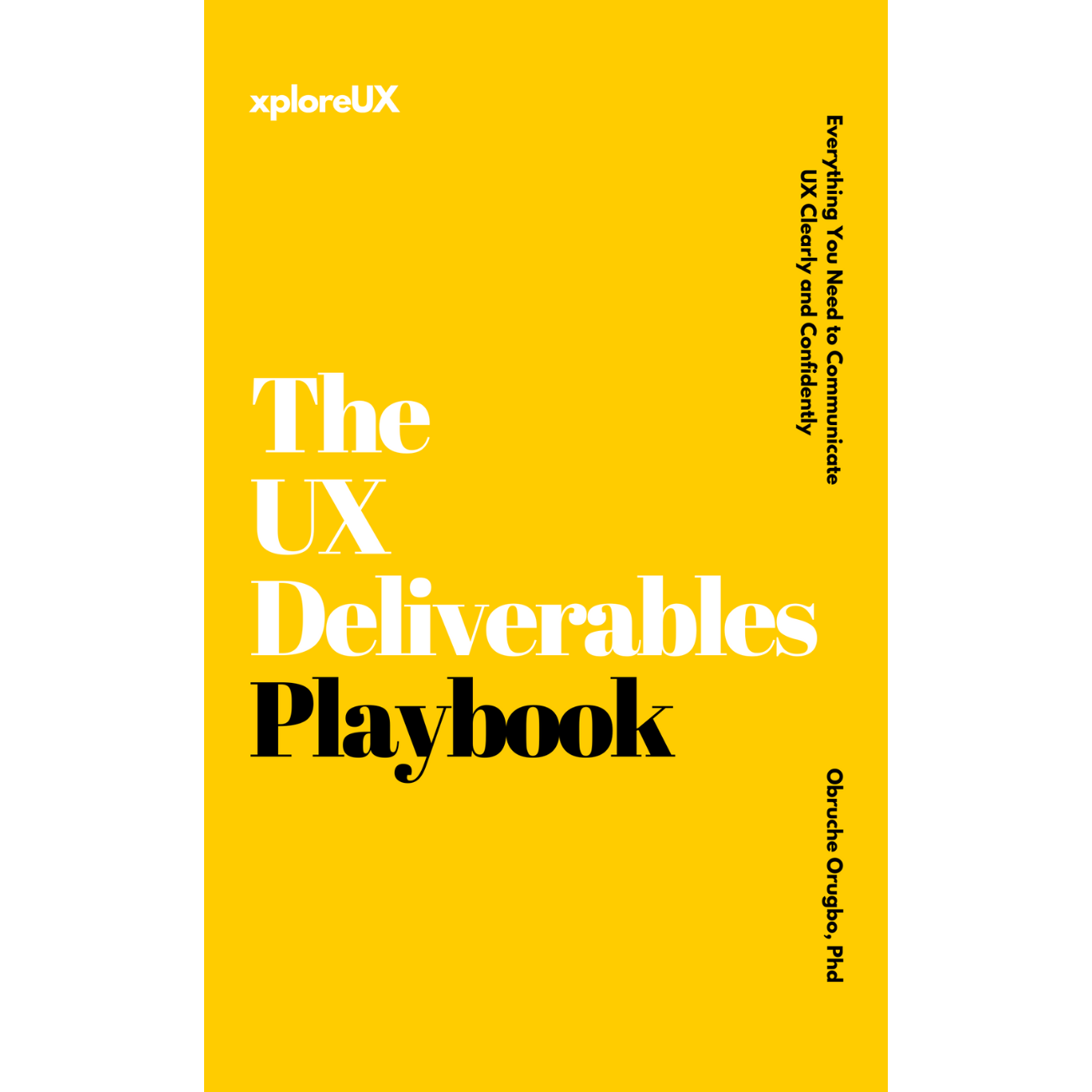
The UX Deliverables Playbook: Everything You Need to Communicate UX Clearly and Confidently
Available now on Amazon
This book gives you the full strategy behind why UX thinking now outranks technical skill. If you want the complete step-by-step roadmap, get the full book here:
Here’s a simple way to build your ai-driven ux and research skills:
- Start with one problem
Choose a real challenge — low engagement, confusing flows, unclear data.
- Gather quick insight
Use simple surveys, message prompts, or feedback forms. Even ten responses help.
- Use AI to cluster and summarise
AI can group feedback, find patterns, and reduce noise — a core part of ai-driven ux and research skills.
- Turn findings into action
List three changes you can make based on what you learned.
- Build a small prototype
Use Figma, paper sketches, or AI-generated versions.
- Test with real humans
What works? What confuses them? This step strengthens your ai-driven ux and research skills.
- Repeat in short cycles
Small improvements stack up fast.
Many people misunderstand ai-driven ux and research skills. Avoid these mistakes:
- Relying on AI alone without checking the real context
- Asking vague questions that produce weak insights
- Overcomplicating research when simple questions would work
- Ignoring accessibility and usability
- Waiting too long to test an idea
- Confusing “data” with “understanding”
Each of these mistakes weakens the value you can create.
To take your ai-driven ux and research skills further:
- Combine multiple insight sources — surveys, interviews, analytics
- Use AI to generate alternatives, then choose based on user needs
- Document your thought process, not just the final design
- Build adaptive flows that adjust to behaviour
- Learn ethical use of AI so your decisions stay responsible
- Join communities that practise ai-driven ux and research skills daily
These advanced habits will set you apart in 2026.



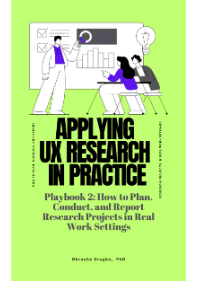
The demand for ai-driven ux and research skills is rising because digital products need both automation and human understanding. This combination helps founders reduce risk, helps creators shape better experiences, and helps UX professionals stand out in hiring conversations.
As 2026 unfolds, those who can blend insight with AI support will have more opportunities, more clarity, and stronger confidence in their work. If you’re serious about creating digital experiences that help people, now is the time to build your ai-driven ux and research skills.
To explore UX strategy, research methods, and AI-supported workflows that can help you grow, visit:
The UX & AI Playbook: Harnessing User Experience in an Age of Machine Learning
The UX Strategy Playbook: Designing Experiences that Put Users First
The UX Consultant Playbook 1: Bridging User Insights with Business Goals
The UX Consultant Playbook 2: Crafting High-Impact Solutions
The UX Deliverables Playbook: Communicate UX Clearly & Confidently
The UX Consultant Playbook 3: Mastering the Business of UX Consulting
Vibe Coding & UX Thinking Playbook: How to Turn Your Ideas Into Real Apps Using Plain English and UX Thinking