



The ux shift of 2026 is already reshaping how products are planned, built, and improved. AI skills, research literacy, and shifting hiring patterns are changing what it means to work in design. Whether you’re a small business owner, busy mum launching a digital idea, Gen Z creator, startup founder, healthcare professional, or a growing UX specialist, this is the moment to pay attention.
The ux shift of 2026 isn’t about job titles. It’s about capability. Teams want people who can ask better questions, interpret behaviour, work alongside AI tools, and make choices that help real people. Companies are no longer hiring just designers or researchers, they’re hiring adaptable problem-solvers who understand how digital experiences affect everyday life.
This shift is massive enough to influence education decisions, career changes, and business strategies. The ux shift of 2026 rewards clarity, practical thinking, and the ability to shape products with both human insight and AI support. If you understand these changes now, you’ll position yourself ahead of others who still wait for things to “go back to normal.”
Let’s break down the ux shift of 2026 and what it means for you.



AI is no longer optional. As the ux shift of 2026 unfolds, teams expect creators and professionals to feel confident using AI-powered tools for content, research, testing, workflows, and decision support. AI isn’t replacing people, it’s becoming a partner that reduces time pressure and increases clarity.
For example:
- A startup founder can use AI to cluster user feedback and find patterns faster.
- A small business owner can ask AI to simplify analytics into real actions.
- A healthcare professional can use AI to summarise patient notes and highlight risks.
- A UX professional can create adaptive prototypes based on behaviour signals.
These aren’t future dreams. They’re happening now, and they’re the heart of the ux shift of 2026.
The skill isn’t knowing every tool. It’s knowing how to frame the right problem and ask the right questions. AI extends your thinking, but only if you guide it with intention. Those who master this balance will lead the ux shift of 2026, because they can deliver insight and outcomes faster than traditional teams.
AI also brings new responsibilities, such as checking fairness, clarity, and accuracy, but those who embrace these tools gain a major advantage. The ux shift of 2026 rewards people who blend AI confidence with human judgement.
Buy on Amazon

A defining part of the ux shift of 2026 is the rise of research literacy. Research is no longer reserved for researchers. Companies now want product designers, content creators, marketers, educators, and founders who understand how to collect insight, interpret it, and apply it.
Research literacy means:
- Knowing how to ask clear questions
- Understanding human behaviour
- Seeing patterns, not random opinions
- Testing assumptions early
- Making decisions backed by evidence
The ux shift of 2026 proves that people who can read signals — not just gather them — are more valuable. It helps small business owners decide which features matter first. It helps creators understand what their audience needs. It helps founders reduce risk. It helps healthcare professionals deliver better support.
Research literacy is power. It means you don’t build blindly. The ux shift of 2026 rewards you for being curious, asking honest questions, and checking what’s true before you commit time or money.
This makes UX less of a department and more of a shared responsibility across teams. Anyone who understands research gains influence, confidence, and trust in their work.
The ux shift of 2026 is transforming career paths. Companies want versatile thinkers who can move between research, design, strategy, AI-assisted workflows, and cross-functional teamwork. Employers care less about rigid roles and more about outcomes.
Here’s what this means in practice:
- Designers who can think strategically gain more opportunities.
- Researchers who understand AI tools deliver insight faster.
- Creators who build simple digital experiences become more valuable.
- Founders who embrace UX thinking make better products.
- Healthcare professionals who use digital tools improve service delivery.
Because of the ux shift of 2026, education bodies and employers are redefining what “qualified” means. You don’t need a perfect portfolio. You need to show how you think, how you learn, and how you solve problems with both empathy and clarity.
This shift benefits people who reinvent themselves. The ux shift of 2026 welcomes career changers, parents returning to work, and self-taught creators. If you’ve ever felt blocked by traditional pathways, this is your moment to step forward.
The ux shift of 2026 reinforces what the book teaches — clarity before execution, thoughtful decisions, and a commitment to building experiences that support real people.
The world will not stand still. New devices, new expectations, and new social realities will continue to emerge. Some of the most exciting opportunities for user experience in the years ahead will come not from following trends, but from deepening the principles that have stood the test of time: empathy, respect, curiosity, and courage.
UX is what shapes the product. Code only executes the instruction.
If you want a practical way to apply the ux shift of 2026 to your projects, the book gives you frameworks, templates, and guides you can use right away. It supports founders, creators, UX professionals, and anyone shaping digital experiences.
This aligns perfectly with the foundations and purpose of UX strategy, giving you a structured, proven method to make decisions that actually resonate with users.
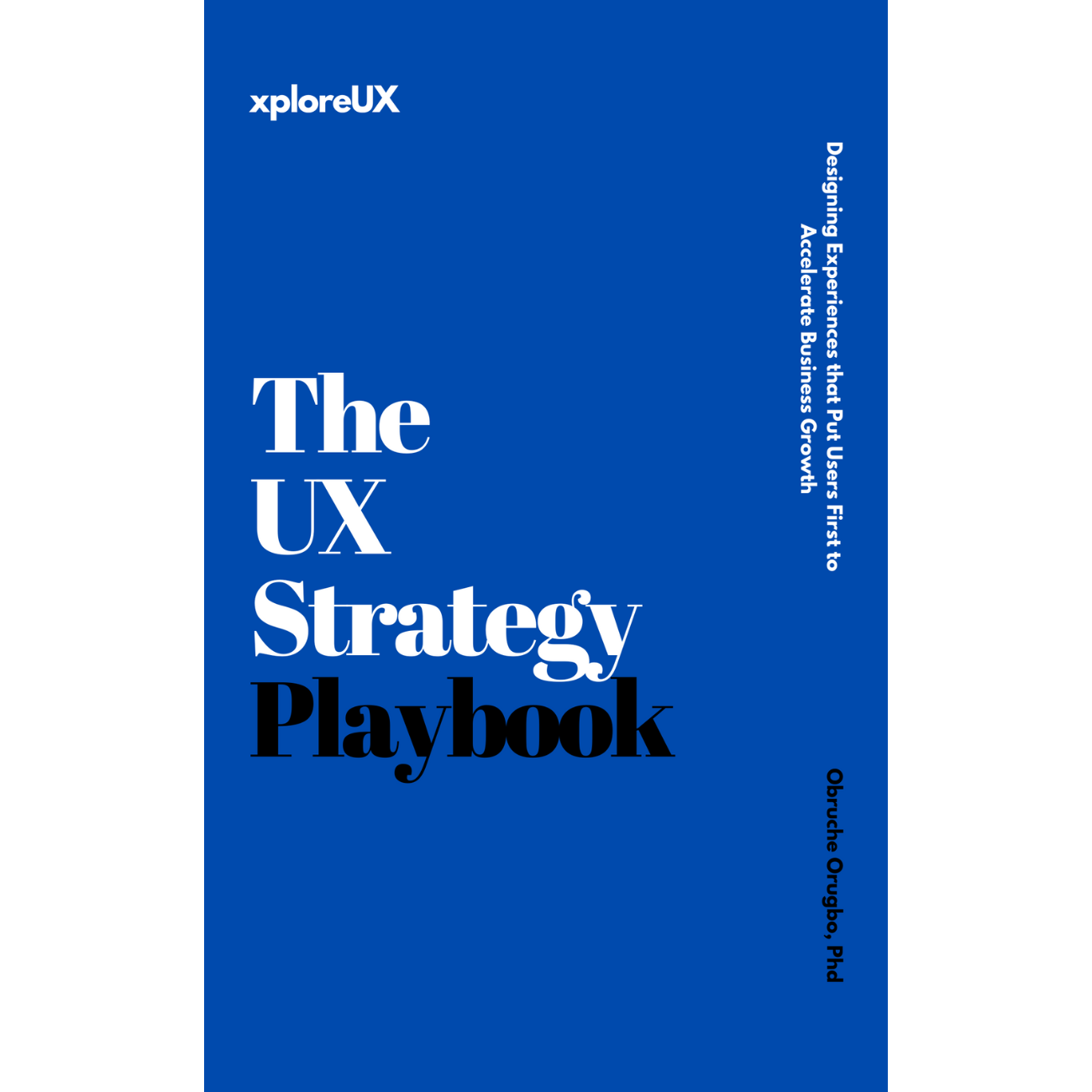
This book gives you the full strategy behind why UX thinking now outranks technical skill. If you want the complete step-by-step roadmap, get the full book here:

Here’s a simple way to take action during the ux shift of 2026:
- Map your current strengths
List what you can already do — writing, research, problem-solving, analysis, facilitation. The ux shift of 2026 values clarity over perfection.
- Add AI to one part of your workflow
Don’t try everything at once. Use one AI tool to summarise notes, rewrite content, or cluster feedback.
- Ask better questions
Each week, ask:
“What do I need to learn about users before building this?”
This mindset drives the ux shift of 2026.
- Build a small experiment
Test ideas with simple prototypes, wireframes, or quick surveys.
- Show how you think
Document your decisions. Teams in the ux shift of 2026 care more about your reasoning than your tools.
As the ux shift of 2026 continues, avoid these traps:
- Copying trends without understanding the problem
- Using AI to replace thinking instead of supporting it
- Treating research as a single activity instead of a habit
- Designing for yourself, not for real users
- Waiting too long to test an idea
Each mistake slows your progress and reduces clarity.
If you want to stand out during the ux shift of 2026, try these:
- Build adaptive systems that respond to behaviour
- Combine human insight with AI suggestions
- Document your thought process to show your judgement
- Use small experiments to reduce risk
- Practice simplification, remove friction, not features
These habits help you grow in a world shaped by the ux shift of 2026.








The ux shift of 2026 is a turning point for anyone working with digital experiences. AI skills, research literacy, and new design career paths are changing expectations across industries. Whether you’re a founder, creator, parent returning to work, healthcare professional, or a UX practitioner, you can thrive by embracing curiosity, clarity, and strategic thinking.
This shift rewards people who learn quickly, stay open-minded, and care about solving real problems. If you apply the lessons of the ux shift of 2026, you’ll build better products, make smarter decisions, and stand out in a crowded field.
To explore UX strategy, research methods, and practical tools that support your growth, visit:
👉 https://xploreux.com/services
👉 https://xploreux.com/ux-consulting
👉 https://xploreux.kit.com/8b65cbb266
The UX & AI Playbook: Harnessing User Experience in an Age of Machine Learning
The UX Strategy Playbook: Designing Experiences that Put Users First
The UX Consultant Playbook 1: Bridging User Insights with Business Goals
The UX Consultant Playbook 2: Crafting High-Impact Solutions
The UX Deliverables Playbook: Communicate UX Clearly & Confidently
The UX Consultant Playbook 3: Mastering the Business of UX Consulting
Vibe Coding & UX Thinking Playbook: How to Turn Your Ideas Into Real Apps Using Plain English and UX Thinking





2 comments
Great information shared.. really enjoyed reading this post thank you author for sharing this post .. appreciated
Thanks, truly appreciated. What’s your biggest takeaway?